
Sober Living vs. Residential Treatment: What's the Difference?
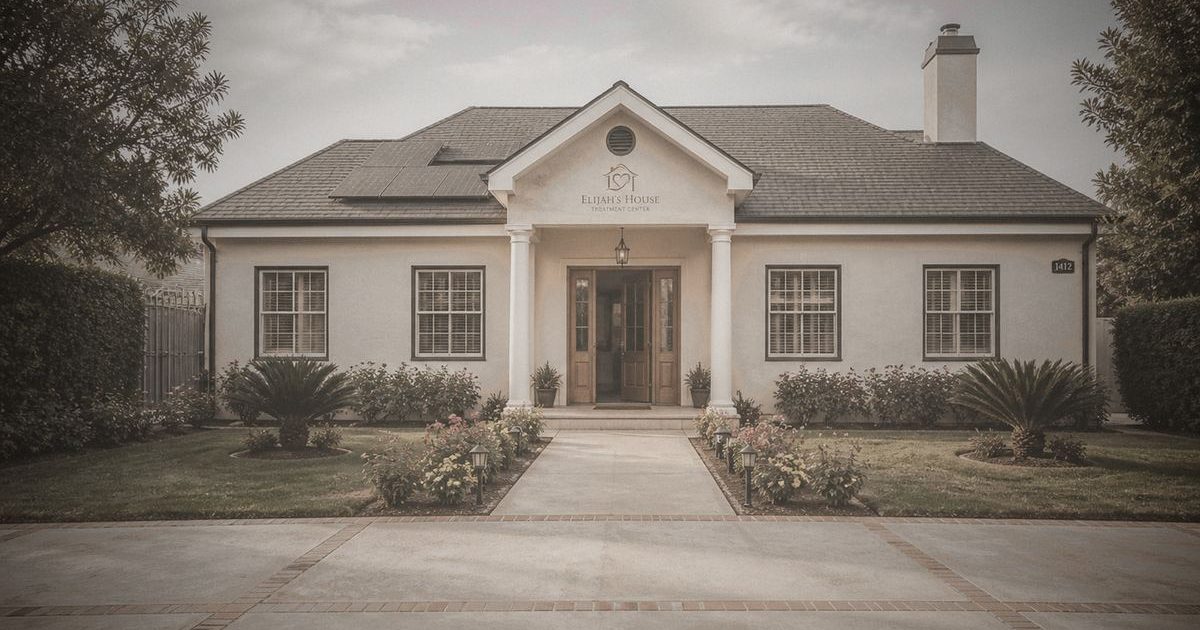
Residential treatment and sober living both mean living away from home for a while, so it is easy to blur them together. One is a place to get treatment around the clock. The other is a place to practice everyday life without substances once that focused care is done.
This post explains what each one is, how they differ, and how they fit together at Elijah's House.
What residential treatment is
A residential program is a live in setting where a person stays at a treatment home full time and receives structured care. Clinical and support staff are part of daily life, and the day is built around treatment, rest and routine.
Residential care is often the right fit for someone who needs a calm, steady setting away from everyday pressures while they work on substance use and any mental health concerns that come with it. For many people, it starts right after detox, once the body has had time to stabilize.
At Elijah's House, residential treatment takes place at our home in Pasadena. It includes:
- One 30 day program of medically supervised detox and residential treatment, in the same home, with the same team
- Staff on site 24/7
- Individual therapy throughout the stay
- Dual diagnosis care for people living with both substance use and a mental health condition
You can learn more on our residential treatment page.
What sober living is
Sober living is a substance free place to live, usually shared with other people in recovery. It is less structured than residential treatment. People in sober living typically have more independence: they may work, go to school, run errands and handle daily responsibilities, while following house guidelines and staying connected to support.
Sober living is often a step that comes after residential care. It gives people a chance to practice the skills and routines they started building in treatment, in a setting that still offers structure and accountability.
At Elijah's House, sober living is available at a partner home, separate from our Pasadena residential home. People can stay there from 3 months to a year. Partial hospitalization (PHP) and intensive outpatient (IOP) care are offered at the partner sober living, so people can keep a steady schedule of treatment while they rebuild daily life.
Our page on sober living after Pasadena rehab has more detail.
The main differences
Side by side, the two look like this.
Level of care. Residential treatment is a more intensive level of care, with staff on site around the clock and a structured day. Sober living offers more freedom, with treatment provided through PHP or IOP for those who take part in it.
Purpose. Residential care focuses on stabilizing and doing focused work on substance use and mental health. Sober living focuses on carrying that work into everyday life.
Daily life. In residential treatment, the day centers on the program. In sober living, people gradually take on more of their own schedule.
Where it happens at Elijah's House. Detox and residential care happen at our home in Pasadena. Sober living, along with PHP and IOP, happens at a separate partner home. PHP and IOP are not offered at the Pasadena home.
Length. Residential treatment is part of our one 30 day program of detox and residential care. Sober living at the partner home runs from 3 months to a year.
Which one is right?
The answer is personal, and it is best decided together with a care team. A few general questions can help frame the conversation:
- Has the person recently stopped using, or are they still using? If they may need help with withdrawal, starting with medically supervised detox is usually the first step.
- Would a calm, structured setting away from daily pressures help right now?
- Are there mental health concerns that should be part of the plan from the start?
- After focused care, would a substance free home with ongoing support make the return to daily life feel steadier?
Here the two are meant to be used in order. The 30 day program gives someone a steady start, and sober living gives them months to keep practicing with support close by.
How the steps fit together at Elijah's House
Here is how care usually flows:
- One 30 day program of medically supervised detox and residential treatment at our Pasadena home, with the same team throughout, staff on site 24/7, individual therapy and dual diagnosis care.
- Sober living at our partner home, from 3 months to a year, with PHP and IOP offered there.
Because detox and residential care happen in the same home, people do not have to change settings or meet a new team right after detox. When it is time to move on, our admissions team can explain where the partner sober living is and how the move from residential works.
Practical details
Packing for residential care is simple. Toiletries and essentials are provided, so you can just bring your clothes.
We work with PPO insurance plans only and check your coverage for free. Private pay is also possible. People come to Elijah's House from across the country, and travel can be arranged.
Elijah's House has been in operation for 18 years and is JCAHO accredited and LegitScript certified.
Talk with admissions
Not sure which step fits right now? That is a good question to bring to admissions. Call (888) 902-3990 to talk it through, or fill out the form on our admissions page and we will get back to you.
Begin the conversation
If you or someone you love needs support, our admissions team is available confidentially, 24 hours a day.
Begin the conversation