

Dual diagnosis treatment in Los Angeles
When addiction is not the only thing going on. Substance use and mental health needs treated together, by one team, in our home in Los Angeles.
What people ask us first about dual diagnosis.
What does dual diagnosis mean?
Having a substance use disorder and a mental health condition at the same time, such as depression, anxiety or trauma.
Is it treated in the same place?
Yes. Dual diagnosis care is on site at our home in Los Angeles, during detox and residential care, with one team.
Do I need a diagnosis first?
No. Mental health is assessed when you arrive, and the team helps you understand what is going on.
What dual diagnosis care looks like at Elijah's House
Many people in recovery also live with depression, anxiety, trauma or another mental health condition. The two can feed each other, so we treat them together, with one team and one plan.
Mental health is assessed during intake. If you already have a diagnosis, your medications are reviewed and your mental health care becomes part of your treatment plan. If you have never been diagnosed but something feels off, the team works with you to understand it.
Conditions we often see alongside substance use
- Depression
- Anxiety, including panic and social anxiety
- Post traumatic stress (PTSD) and trauma
- Bipolar disorder
- ADHD
Read more about medical detox, alcohol detox, drug rehab in Pasadena, rehab that works with PPO insurance and sober living after residential care. We welcome people from Altadena, Arcadia, Burbank, Glendale, South Pasadena and across Los Angeles.

What's included
- 30 dayresidential program in the same home where detox happens
- 24/7staff on site, from the first night
- 18 yearscaring for people in recovery in Los Angeles
What happens when you reach out.
You reach out
Call (888) 902-3990 or send the short form. It is free and confidential, and you can ask anything.
We check your coverage
We check your benefits for free and explain what we find in plain words. Private pay is welcome too.
We plan your arrival
When you are ready, we pick an arrival day together. We can help arrange travel, and you only need to bring clothes.
See the house before you call.
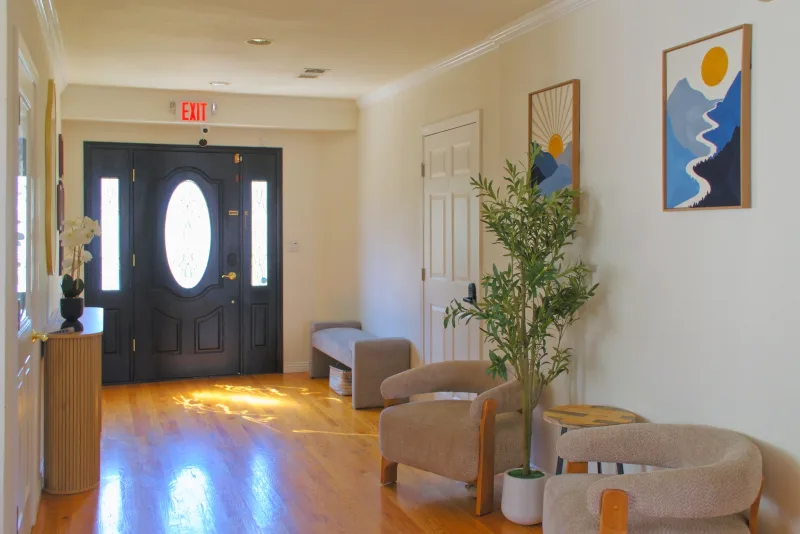
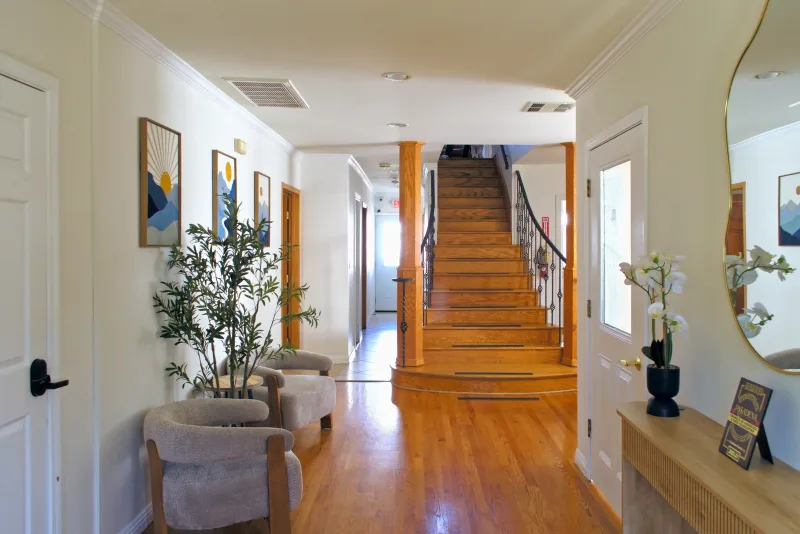

Real photos of the home in Los Angeles. No clients are shown, to protect their privacy.
Take the full photo tourTalk with us about dual diagnosis care
Send the form and we call you back as soon as we can.
We check your coverage for free and talk through what care would look like for you.
Prefer to talk? On a computer, call from your phone.
(888) 902-3990Or send the form and we call you back as soon as we can.
Speak with admissions
Free and confidential. We call you back as soon as we can.
Works with most private insurance plans
We work with most private insurance plans and check your coverage for free. Private pay is welcome. How insurance coverage works.
Dual diagnosis questions.
Still have a question? It is free and confidential to ask.
What is dual diagnosis?
Dual diagnosis, also called co occurring disorders, means a person has both a substance use disorder and a mental health condition, such as depression, anxiety, PTSD or bipolar disorder.
Why treat both at the same time?
The two often feed each other. Treating them together, with one team and one plan, means one is not left behind while the other is treated.
Will I have to stop my psychiatric medications?
Not as a rule. Your current medications are reviewed and adjusted when that is clinically appropriate. Some medications, such as benzodiazepines or stimulants, may need changes if they are part of the substance use.
What if I have never been diagnosed?
That is common. Mental health is assessed at intake, and the team works with you to understand what is going on. Some symptoms ease in early recovery, and some need ongoing care.
Does insurance pay for dual diagnosis treatment?
Coverage depends on your plan. We work with most private insurance plans and check your coverage for free.

Both things, treated together.
Speak with us about your situation. We check your coverage for free and explain what integrated care would look like.